
The Future of Security: Why Professional Security Officers Matter
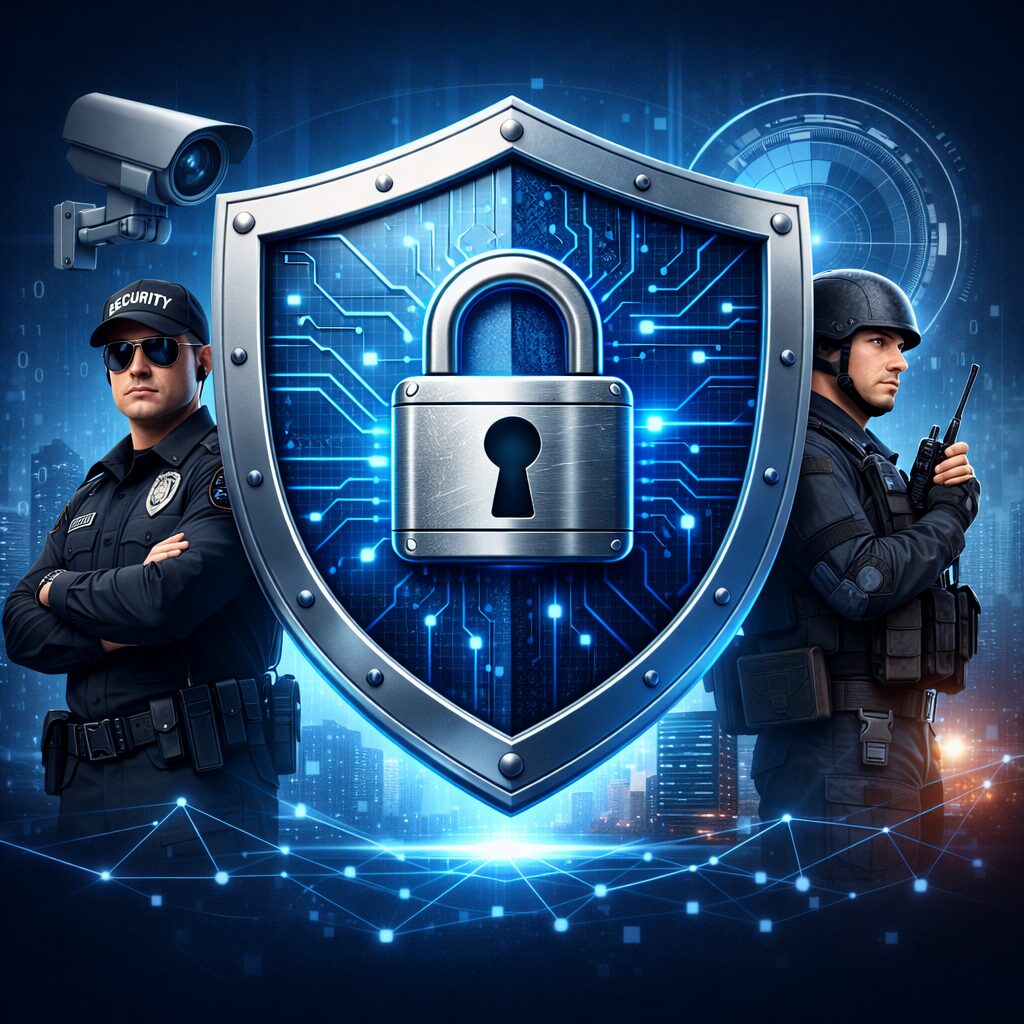
In today’s rapidly changing world, security is no longer optional—it is a critical business requirement. Across the United States, organizations are facing increasingly complex threats ranging from theft and vandalism to workplace violence, data breaches, and coordinated criminal activity. While technology plays a role, professional security officers remain the backbone of effective security services.
From corporate offices to healthcare facilities, construction sites to retail environments, trained security guards provide real-time protection, judgment, and response that technology alone cannot replace.
The Evolving Role of Security Officers in the United States
Historically, security personnel served primarily as watchmen—observing and reporting suspicious activity. Today, professional security officers in the U.S. are highly trained specialists who actively protect people, property, and assets.
Modern security officers are responsible for:
- Access control and visitor management
- Active patrols and surveillance monitoring
- De-escalation of conflicts and incident response
- Emergency evacuation and first aid assistance
- Coordination with law enforcement and emergency services
Many private security companies now provide both armed and unarmed security officers, depending on state regulations and client risk levels.
Why Security Guard Services Are More Important Than Ever
The modern threat landscape has changed dramatically. Businesses across the United States now face:
- Organized retail crime
- Workplace violence
- Internal theft and fraud
- Cyber-physical threats
- Reputation and liability risks
Professional security services help mitigate these risks by providing a visible deterrent and immediate response. A trained security officer can often stop an incident before it escalates into financial loss, injury, or reputational damage.
Limitations of Outdated Security Models
Relying on outdated security approaches—such as untrained guards, disconnected camera systems, or basic lock-and-key access—creates dangerous gaps.
Common weaknesses include:
- Slow response times during emergencies
- Poor situational awareness
- Lack of coordination with modern security technology
- Increased liability exposure
Just as cybersecurity has evolved, physical security must evolve too. Today’s businesses need integrated security guard services that combine personnel, training, and technology.
What Defines a Modern Professional Security Officer?
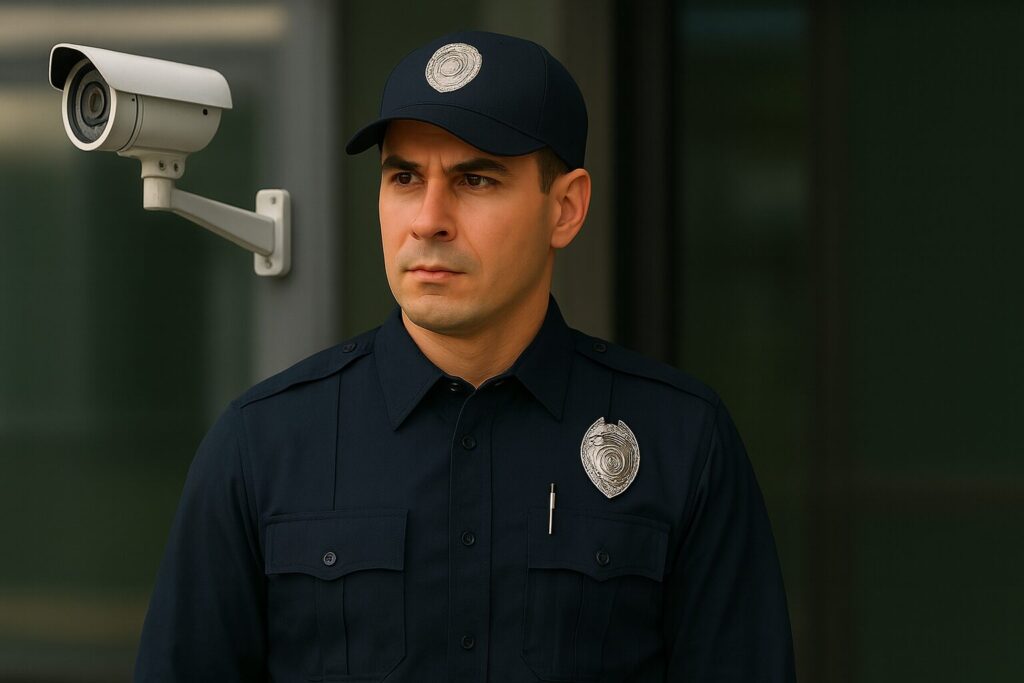
A modern security officer is a multi-skilled professional, not just a uniformed presence.
Professional security guards are trained to:
- Conduct risk assessments
- Monitor CCTV and access control systems
- Identify suspicious behavior early
- Apply conflict management and de-escalation techniques
- Provide customer-facing support when needed
In many industries, security officers also act as brand ambassadors, often being the first point of contact for employees, visitors, or customers.
Types of Security Services in the United States
Professional security services are tailored to specific environments, including:
Corporate Security Services
Protecting office buildings, executives, and sensitive information.
Retail Security and Loss Prevention
Reducing theft, shoplifting, and internal shrinkage while ensuring customer safety.
Healthcare Security Services
Managing hospitals and clinics where patient safety and emotional sensitivity are critical.
Industrial and Construction Site Security
Preventing equipment theft, vandalism, and unauthorized access to hazardous areas.
Event Security Services
Crowd control, access management, and emergency response for public and private events.
Each environment requires specialized training and experience, which reputable private security companies provide.
The Importance of Training and Licensing
In the U.S., professional security officers must comply with state-specific licensing and training requirements. Quality security guard companies invest heavily in ongoing education, including:
- Legal authority and use-of-force guidelines
- Emergency response and crisis management
- Communication and report writing
- Cultural awareness and professionalism
Well-trained security officers reduce risk, improve outcomes, and enhance client confidence.
Technology as a Force Multiplier in Security Services
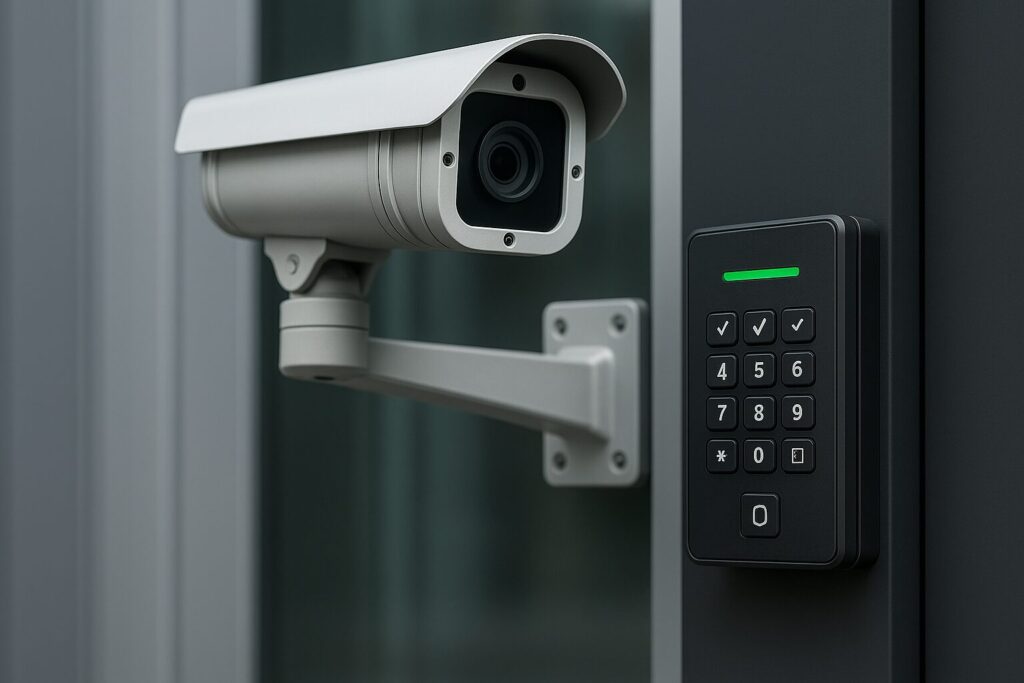
While human judgment is irreplaceable, modern technology enhances effectiveness:
- AI-enabled surveillance systems
- Access control and credential management
- Mobile patrol reporting
- Body-worn cameras
- Remote monitoring centers
When integrated properly, technology allows security officers to respond faster, gather better intelligence, and deliver measurable results.
Armed vs. Unarmed Security Officers: Choosing the Right Option
Not all situations require armed security guards. In the United States, the choice depends on:
- Threat level
- State regulations
- Industry requirements
- Insurance and liability considerations
Professional security providers assess these factors carefully to recommend the most appropriate solution.
Why Businesses Are Investing More in Professional Security
The cost of crime, lawsuits, and operational disruption far outweighs the cost of hiring professional security officers. As a result, U.S. businesses are increasingly investing in comprehensive security guard services to protect:
- Employees and customers
- Physical and digital assets
- Brand reputation
- Business continuity
Security is no longer a reactive expense—it is a strategic investment.
Choosing the Right Security Guard Company in the U.S.
When selecting a security services provider, businesses should look for:
- Proven industry experience
- Licensed and trained security officers
- Strong client references
- Technology integration capabilities
- Ability to scale across multiple locations
The right security partner becomes an extension of your organization, not just a vendor.
Final Thoughts: The Human Element Still Matters
Technology continues to advance, but people remain at the heart of effective security. A trained, professional security officer brings judgment, empathy, and adaptability that no system can fully replicate.
As threats evolve, the role of professional security officers will only become more essential—protecting people, property, and peace of mind across the United States.
Ready to Enhance Your Security?
Partner with a professional security services provider to assess your risks and implement a solution tailored to your needs.